





Some of you grew up under a heavy burden of religious rules. And when you discovered God’s grace, you experienced tremendous relief: “I don’t have to earn His love.”
Grace means that God gives us what we could never earn: forgiveness, acceptance, and life with Him. Our sins are many, but God’s grace is greater. No part of our sinful past is beyond His forgiveness.
Another thought can quickly follow: “Then it doesn’t matter how I live.”
Brothers and Sisters, how many times do we simply feel like we are not saved. We know the gospel. We know that Jesus Christ died for sinners, was buried, and rose again. We may have walked with the Lord for many years, and yet there are mornings when we wake up and wonder, “Lord, am I really Yours?” Our prayers seem dry. God's Word does not seem as sweet as it once did. Sin weighs heavily upon our conscience. Perhaps a trial has beaten us down, temptation has worn us thin, or God simply seems distant.
The gospel of grace gives the believer incredible assurance and security. Christ did not merely make salvation possible. He actually accomplished salvation for His people. Those whom Christ justifies, He keeps. That grip of grace never lets go of the believer.
But once someone hears about strong assurance and eternal security, another fear immediately arises: “Well then, what keeps someone from just living however they want?”
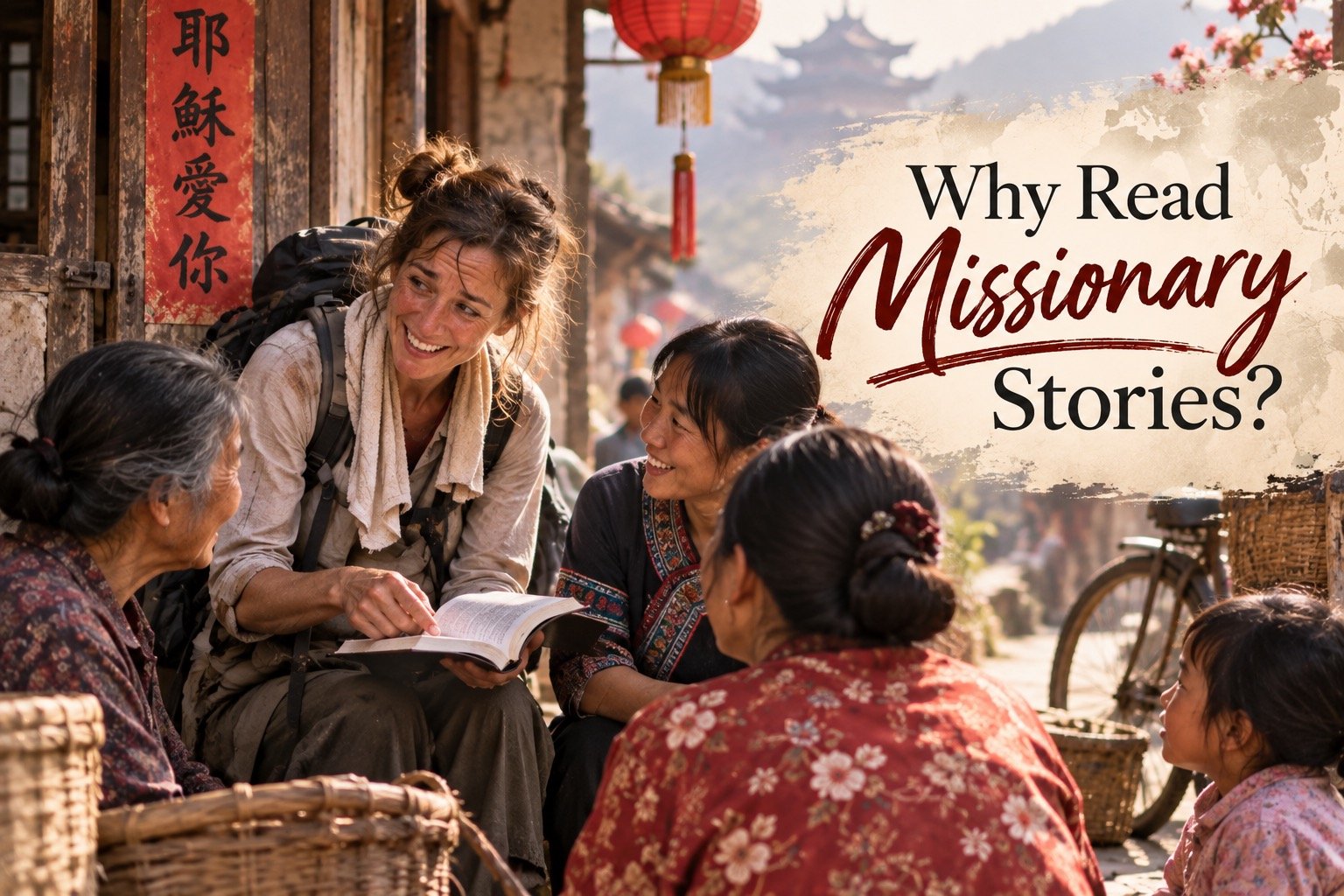
As a homeschooling family missionary stories were a big part of our life. I wanted my children to read these remarkable stories of these faithful men and women, to experience that jungle, those native people, the food but mostly I wanted them to see how God used ordinary people to do extraordinary things because He called and equipped them. Though their stories we have witnessed miracles and stories of great faith that left you in awe and inspired, and sometimes feeling convicted.
There is something captivating about the stories of those who left behind their home and family, all that was familiar to take the Gospel to places they had never seen but only heard about.
Being a pastor is a tremendous privilege. However, it is not for the faint of heart. Without the grace and strength of God, no man can survive the ministry.
The weeks leading up to October 31 evoke within our American experience all manner of feelings, imagery, and traditions. For most, autumn is in the air as preparations are made for Halloween and celebrations of the harvest. In one way or another, these traditions leave their mark on our homes, neighborhoods, and storefronts as decorations change to match the season. While these things may mark the broader cultural landscape, there is another "harvest" whose memory also attends this season, one that often gets overlooked, even among many churches that are beneficiaries of its blessings.